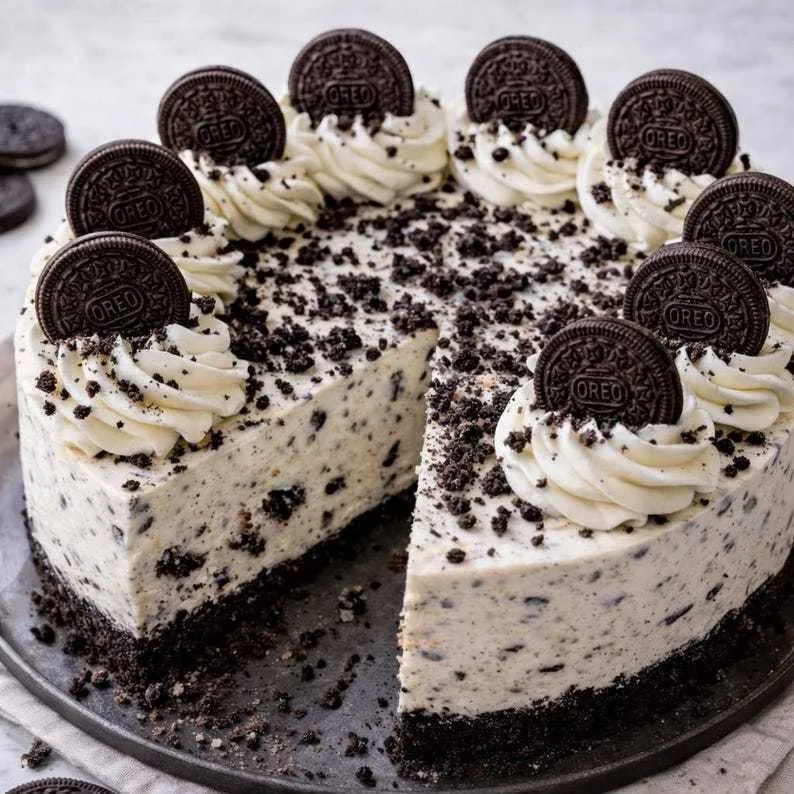
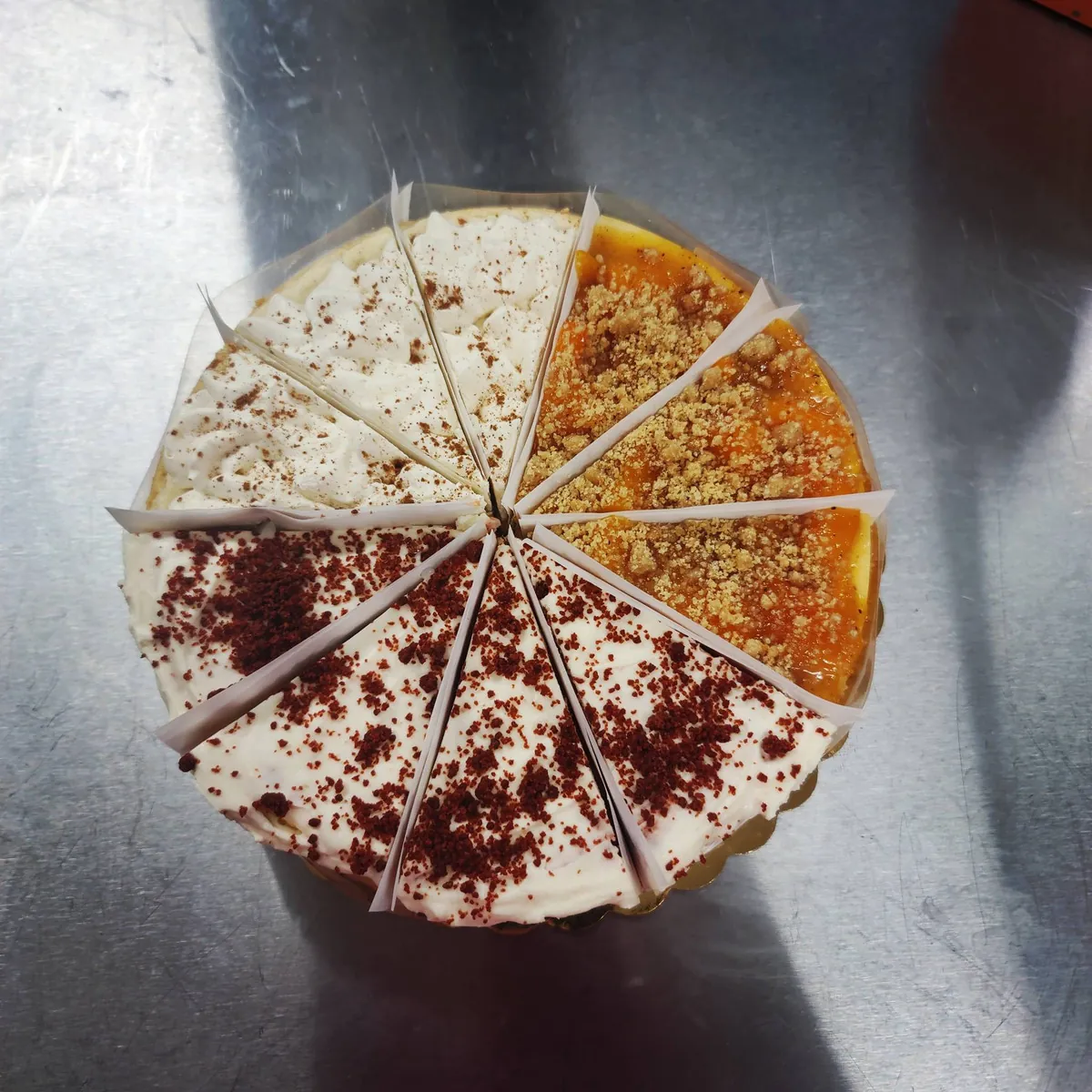
A gluten-free cheesecake crust can be just as crisp, buttery, and satisfying as a traditional crumb base. The key is choosing a crumb or ingredient that is clearly suitable for the guest you are serving, mixing it until it holds together when pressed, and matching the finish to the cheesecake you plan to make.
A clearly gluten-free base starts with the package
The easiest gluten-free cheesecake crust starts with a product that is already labeled gluten-free: graham-style crackers, crisp cookies, or a purpose-made baking mix. The label matters because a familiar-looking crumb is not enough to tell you what it contains. The FDA’s gluten-free labeling guidance explains that the claim has a defined meaning in the United States, including limits on unavoidable gluten and restrictions on ingredients from wheat, rye, and barley.
For a guest who needs to avoid gluten carefully, read the package before you start, then keep the crumbs, bowl, pan, and serving tools separate from conventional baked goods. A good-looking crust is not useful if you cannot explain what went into it or how it was handled. When the dessert is for someone with celiac disease or a serious allergy, ask that person what level of care they need rather than making the decision for them.
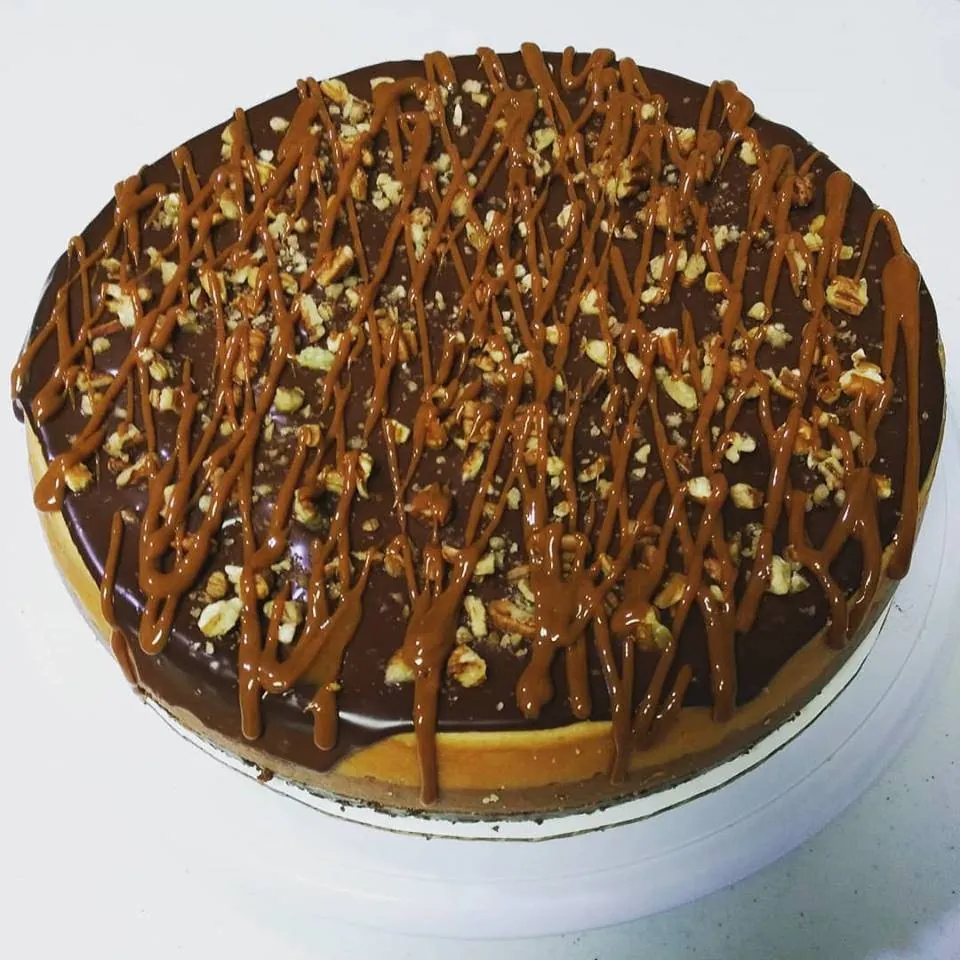
Gluten-free graham-style crumbs create a classic base
Gluten-free graham-style crumbs are the most direct swap when you want a familiar cheesecake base. They bring the mild sweetness and sandy texture people expect beneath a creamy filling, and they work with plain, fruit-topped, chocolate, or New York-style cheesecakes. Crush the crackers finely so large pieces do not create a weak spot in the finished slice.
For a standard 9-inch pan, a practical starting point is roughly 1½ cups of fine crumbs mixed with melted butter until the mixture resembles wet sand. That matches the broad approach used in the Pamela’s gluten-free graham cracker crust recipe, which also calls for pressing the base into a springform pan for cheesecake. Press firmly across the bottom, then decide whether your cheesecake recipe needs the crust baked and cooled or simply chilled until firm.
Do not chase a perfect number of crumbs or tablespoons at the expense of texture. The mixture should pack when squeezed in your hand. If it is dusty and loose, it needs a little more binder. If it looks oily and slides around the pan, add a few more crumbs before pressing it in.
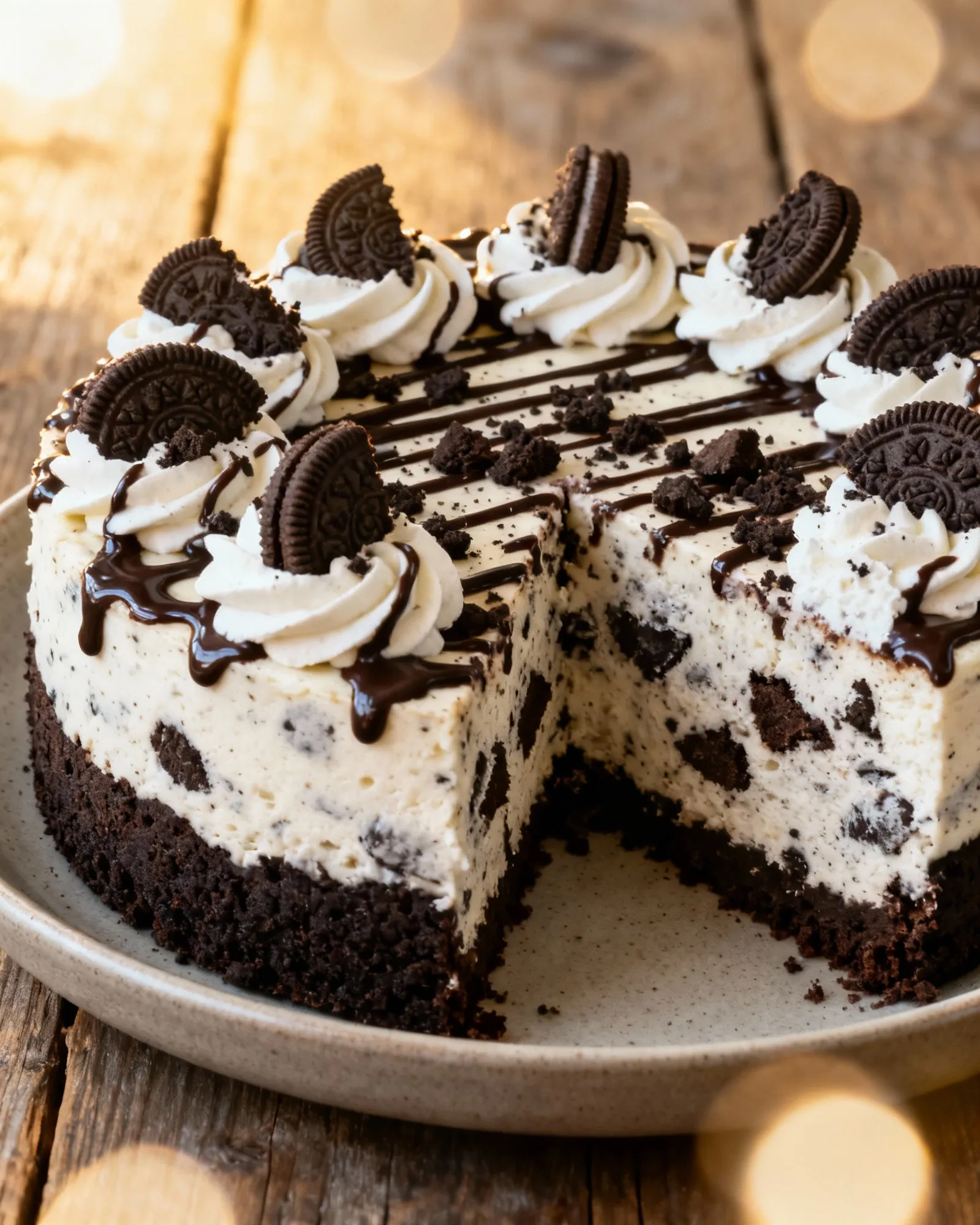
Cookie crumbs create a richer, more distinct base
Gluten-free vanilla cookies, chocolate cookies, and shortbread-style cookies can all make a good cheesecake crust. They are useful when the filling has a clear flavor direction. Vanilla cookies keep a berry or lemon topping light. Chocolate cookies give a chocolate, caramel, or coffee-style cheesecake a deeper base. Shortbread-style cookies bring a buttery finish without changing the filling’s character too much.
The process stays the same: crush, mix with a melted binder, press firmly, then bake or chill according to the cheesecake recipe. Cookie crumbs can vary more than graham-style crumbs, especially in sweetness and how much fat they already contain. Mix first, then add melted butter gradually. That simple pause prevents a crust that tastes heavy or turns greasy at the edge of the pan.
Nut and oat crusts need their own ingredient check
Ground nuts can make a sturdy crust with a toasted, less traditional flavor. They are a useful option for someone who does not want a cookie-based dessert, but they introduce a different allergen question. Oat-based crusts can also work, especially when you want a softer, cookie-like flavor. Neither choice is automatically right for every guest or every kitchen.
If you use oats, choose oats that are specifically labeled gluten-free when that distinction matters. If you use nuts, make the ingredient visible in the plan before anyone is served. A crust can be both gluten-free and unsuitable for another reason, which is why a short ingredient conversation is more helpful than a broad dietary label.
Keep a gluten-free cheesecake crust from crumbling
The technique matters as much as the ingredients. Line the base of a springform pan if your recipe calls for it, then add the crumb mixture in small handfuls. Use the bottom of a flat measuring cup or glass to compress the crust across the pan. Work from the center toward the edge so the base does not end up thin in the middle and bulky at the sides.
A baked cheesecake usually benefits from a crust that is baked briefly before filling, while a no-bake cheesecake may use a chilled crust instead. Follow the method attached to the filling you chose. The King Arthur Baking gluten-free cheesecake recipe illustrates the same sequence: combine the crust, press it into the pan, chill it, then bake it before the filling goes in. The goal is not a hard cookie layer. It is a base that slices cleanly and supports the filling.
The filling determines whether the crust is baked or chilled
A baked cheesecake and a no-bake cheesecake do not ask the same thing of their crust. Baked fillings are typically poured into a crust that has been pressed and briefly baked, then cooled enough to hold its shape. A no-bake filling usually needs a crust that has been chilled until firm. The filling recipe should make the call, because changing that step can change how the base slices.
If a crust crumbles, look first at the texture before it goes in the pan. Fine crumbs, an even amount of melted binder, and firm pressure all help the base hold together. Let the finished cheesecake cool and set fully before cutting it. A clean, cold slice gives any crumb crust a better chance of staying intact from the first serving to the last.
Plan the gluten-free dessert table around the crust
A classic graham-style crust is the safe choice when the filling or topping should be the star. Use a cookie crust when you want more contrast. Choose a nut or oat-based crust only when it suits the guest list and you can clearly communicate the ingredients. For a birthday or dinner, a whole cheesecake offers a traditional serving moment. For a larger group, individual portions can make it easier to keep dietary choices clearly identified.
If you are serving a mixed dessert table, keep the gluten-free cheesecake separate from crumb-heavy conventional desserts and give it its own clean serving utensil. Clear placement is kinder to the person who needs the option and easier on the host than trying to explain the table after guests have started serving themselves.
Charlotte pickup is available for gluten-free cheesecake
Baking at home is not the only way to plan a gluten-free dessert. Cheesecake Carousel offers an 8-inch gluten-free cheesecake for Charlotte pickup, with Original, Strawberry, and custom-request starting points listed on its gluten-free cheesecake page. Availability and ingredient details can vary, so share the pickup date, the occasion, and the questions that matter to your guest before you order.
For a home baker, the takeaway is simple: choose a clearly suitable crumb, use a texture that packs firmly, and follow the bake or chill method that belongs to your filling. For an order, the same rule applies in a different form: ask about the exact crust, filling, toppings, and preparation before you make the final choice.
Key takeaways for a gluten-free cheesecake crust
Start with an ingredient that is clearly suitable for the guest. A labeled graham-style cracker or cookie gives a familiar base, while oats and nuts need their own ingredient conversation.
Keep the mixture fine, lightly bound, and firmly pressed. An even layer gives the filling steady support and gives each slice a better chance of staying together at the table.
Let the filling decide the final step. Baked cheesecakes usually need a briefly baked base, while no-bake fillings depend on a crust that has chilled until firm.
Plan a gluten-free cheesecake.
Frequently asked questions
What can I use instead of graham crackers for a gluten-free cheesecake crust?
Use crackers or cookies that are specifically labeled gluten-free, then crush them finely and combine them with a melted binder. Nut and oat-based crusts can also work, but they bring separate ingredient and allergen questions that should be clear to every guest.
Do I need to bake a gluten-free cheesecake crust?
It depends on the cheesecake recipe. Many baked cheesecakes use a briefly baked crust before the filling is added, while no-bake cheesecakes may use a crust that chills until firm. Follow the method that belongs to the filling rather than treating every crust the same way.
How do I keep a gluten-free cheesecake crust from crumbling?
Use fine, even crumbs and enough melted binder for the mixture to hold when squeezed. Press the crust firmly and evenly into the pan with a flat-bottomed cup, then bake or chill it according to the filling recipe. Let the cheesecake cool fully before slicing.
Can I order a gluten-free cheesecake in Charlotte?
Cheesecake Carousel offers an 8-inch gluten-free cheesecake for Charlotte pickup. Share the date, the flavor direction, guest count, and any ingredient questions with the bakery before ordering so it can confirm the current option and availability for your occasion.